WHAT IS QULSS ABOUT?
Welcome to the 18th Edition of the Qatar University Life Sciences Symposium (QULSS 2025), hosted by the College of Arts and Sciences at Qatar University and organized by the Department of Biological and Environmental Sciences. This annual symposium has grown into a pivotal forum for researchers, academics, and professionals committed to advancing knowledge and innovation in bio-environmental sciences.
QULSS 2025 is centered around the theme “Bio-Environment: Advances and Innovations," with a special focus on four key areas:
- Microbial Ecology and Molecular Interactions
- Genetic and Molecular Approaches to Biodiversity and Human
- Marine Ecosystems and Megafauna Conservation Strategies
- Environmental Bio-repository in Qatar: Future Perspective
The symposium's vision is to become a leading platform for interdisciplinary collaboration, driving innovation for sustainable ecosystems and improved human health. Its mission is to convene experts and emerging scholars to share pioneering research, explore practical solutions, and contribute to addressing global environmental challenges.
QULSS 2025 will be held over two days—November 26 (full day) and November 27 (half day)—and is expected to host a diverse group of participants, including international and local keynote speakers, faculty, graduate students, and stakeholders. The program features multiple scientific sessions, a panel discussion on environmental biobanking, poster presentations, and opportunities for meaningful networking and collaboration.
Join us at QULSS 2025 to engage in transformative discussions and help shape the future of bio-environmental science in Qatar and beyond.
WHAT IS QULSS THEME?
- Microbial Ecology and Molecular Interactions: It focuses on microbiome diversity and interaction with other organisms at the molecular level, such as plants and animals.
- Genetic and Molecular Approaches to Understanding Biodiversity and Human Health: It focuses on molecular insights into adaptation, biodiversity, and genetic tools in human health.
- Marine Ecosystems and Megafauna Conservation Strategies: It focuses on the challenges facing Marine Ecosystems, including climate change, habitat loss, and pollution, as well as mitigating human impacts on ecosystems and integrative approaches to conservation.
- Panel discussion. “Environmental Bio-repository in Qatar: Future Perspective.
WHAT ARE THE OBJECTIVES OF QULSS 2025?
Enhance Understanding of Microbial Ecology and Molecular Interactions:
- Facilitate discussions and presentations on the diversity of microbiomes and their interactions with plants and animals.
- Promote research that explores molecular-level interactions and their implications for ecosystem health.
Advanced Genetic and Molecular Approaches to Biodiversity and Human Health:
- Share insights into how genetic and molecular tools can be used to understand adaptation and biodiversity.
- Discuss the role of genetic innovations in improving human health and addressing environmental changes.
Explore Strategies for Marine Ecosystem and Megafauna Conservation:
- Address marine ecosystems' challenges, including climate change, habitat loss, and pollution.
- Present integrative approaches and strategies for conserving marine biodiversity and mitigating human impacts.
Discuss Future Perspectives on Bio-repository in Qatar:
- Current status and future potential of the Environmental Bio-repository in Qatar.
- Explore the role of biobanks in supporting biodiversity research and conservation efforts.
QULSS 2025 Schedule
- The structure and plan for the symposium are as follows:
- One full day, 26 November, and half a of, 27 November
- Place:
Qatar University Research Complex - H10
| 8:00-9:00 | Registration
|
| 9:00-9:30 | Opening ceremony by
- Dr Fatima Al-Kubaisi, Dean of the College of Arts and Sciences (CAS-QU) - Prof Mohammad Al-Ghouti, Head of the Department of Biological and Environmental Sciences (CAS-QU) |
9:30-12:00 - Microbial Ecology and Molecular Interactions
Moderator: Prof. Mohammed Abu-Dieyeh
|
| 9:30-10:15 |
Prof. Don A Cowan, University of Pretoria
Functional Microbiomics of Hot Desert Soils |
| 10:15-11:00 |
Abdullah M. Al-Sadi, Professor & Former Dean (College of Agriculture-SQU, Oman) + Professor (University of Al Dhaid, UAE)
MICROBIAL DIVERSITY AT THE CROSSROADS: BENEFICIAL VERSUS PATHOGENIC MICROBES IN AGROECOSYSTEMS
|
11:00-11:30
|
Dr. Imen Saadaoui, Center for Sustainable Development, College of Arts and Sciences, Qatar University
SYNERGISTIC INTERACTIONS BETWEEN CYANOBACTERIA AND ASSOCIATED BACTERIA TO BOOST BIOFERTILIZER EFFICIENCY
|
| 11:30-12:00 |
Muhammad Ejaz, PhD student at Qatar University
DECODING MICROBIAL INTERACTIONS: FROM SOIL METAGENOME TO BIOTECHNOLOGICAL APPLICATIONS |
| 12:00-1:00 | Poster session
|
| 1:00-2:00 | Lunch
|
2:00-4:00 - Genetic and Molecular Approaches to Understanding Biodiversity and Human Health
Moderator: Dr. Lama Soubra
|
2:00-2:30
|
Dr. Mahmoud Gargouri, Laboratory of Plant Molecular Physiology, Center of Biotechnology of Borj-Cedria, Tunisia.
HARNESSING WILD PLANT MICROBIOMES AND AGROECOLOGICAL STRATEGIES TO ENHANCE STRESS RESILIENCE IN CULTIVATED CROPS
|
2:30-3:00
|
Prof. Laith Jamal Abu-Raddad, Professor at Weill Cornell Medicine – Qatar, Population Health Sciences
TWO STRATEGIES, ONE VIRUS: SARS-COV-2 EVOLUTION BEFORE AND AFTER OMICRON |
3:00-3:30
|
Dr. Nader Al-Dewik, Associate Professor in Human Genetics, Genomic and Precision Medicine Program, College of Health and Life Sciences, Hamad Bin Khalifa University (HBKU)
REVOLUTIONIZING NEONATAL CARE: A NEW ERA OF PRECISION GENOMIC MEDICINE INNOVATION IN NICU
|
3:30-4:00
|
Dr Md Mizanur Rahman, College of Arts and Sciences, Qatar University
CELLULAR AND MOLECULAR MECHANISMS OF CONJUGATED LINOLEIC ACID (CLA)-MEDIATED MITIGATION OF THIAZOLIDINEDIONE (TZDS)-INDUCED IMPAIRMENT OF BONE REMODELING
|
9:00-11:00 - Marine Ecosystems and Megafauna Conservation Strategies
Moderator: Prof. Jasim Alkhayat
|
| 9:00-9:45 |
Dr Charlotte Hopkins, Senior Lecturer, Marine Conservation, Faculty Ethics Committee Co-Chair, School of Environmental Sciences
CONSERVING THREATENED ELASMOBRANCHS: FROM UNDERSTANDING HUMAN-SHARK INTERACTIONS TO REWILDING TOP PREDATORS |
| 9:45-10:15 |
Dr Mabel Manjaji Marsumoto, Institut Penyelidikan Marin Borneo, Universiti Malaysia Sabah
BEYOND THE CHECKLIST: FISHERIES INSIGHTS FROM TAXONOMIC DISCOVERY AND ETP PROTECTION
|
| 10:30-10:45 |
Dr Gonzalo Araujo (Whale Shark Monitoring Project) is an international specialist on Whale Sharks. Qatar University
POPULATION DEMOGRPAHICS, MOVEMENTS AND ECOLOGY OF WHALE SHARKS IN QATAR |
10:45-11:00
|
Mr Jassim Mohamed Lari, Head of the Marine Wildlife Section, MOECC
THE MINISTRY OF ENVIRONMENT AND CLIMATE CHANGE’S STRATEGY FOR CONSERVING MARINE MEGAFAUNA IN LIGHT OF QATAR’S NATIONAL VISION, ENVIRONMENTAL STRATEGY, AND INTERNATIONAL COMMITMENTS. |
11:00-11:30
|
Coffee Break
|
11:30-12:30 - Panel discussion: Environmental Bio-repository in Qatar: future perspective
Moderator: Prof. Samir Jaoua
|
| 11:30-12:30 |
Prof. Don A Cowan, University of Pretoria
BIOREPOSITORIES AS A VEHICLE FOR CONSERVATION AND APPLICATION
ENVIRONMENTAL BIO-REPOSITORY IN QATAR: FUTURE PERSPECTIVE
Dr. Farooq Al-Ajili, Director of Qatari Falcon Genome (Katara Biodiversity Genomes Program)
BIODIVERSITY GENOMICS IN QATAR: A FRONTIER FOR CONSERVATION, EDUCATION, AND CULTURE PRESERVATION
|
| 12:30-1:00 |
Closing ceremony: Presentation of trophies to keynote speakers and awards to poster competition winners.
|
| 1:00-2:00 | Lunch |
Scientific and Organizing Committee
Symposium Chair
Professor at Qatar University
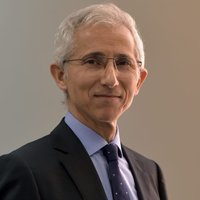
Professor at Qatar University

Associate Professor at Qatar University
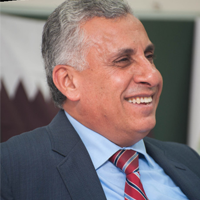
Professor at Qatar University
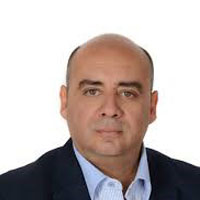
Professor at Qatar University
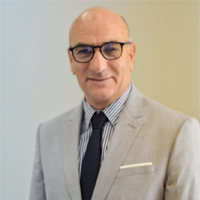
Professor at Qatar University
Assistant Professor at Qatar University
PARTNERS